As a free user of Thai VPS, it is crucial to understand “the differences in features between free and paid versions to determine the right time for an upgrade as a free Thai VPS user.” From a neutral and practical perspective, this article focuses on four key aspects: performance, network, management, and security. It helps you identify the limitations of free solutions and the signs that it’s time to upgrade to a paid version, thereby enabling you to strike a balance between cost and experience.
The free version usually offers basic resources and limited features, suitable for light testing or short-term experiments. The paid version offers greater reliability in terms of resources, scalability, and commercial-grade features. Understanding the positioning of both helps to grasp the basic logic behind the upgrade: When business needs exceed the stability or functional limits of the free plan, paid plans should be considered.
Free VPSes are often limited in terms of CPU, memory, and disk I/O, with limited burst performance and concurrent processing capabilities. The paid version usually provides guaranteed resources, higher IO performance, and optional dedicated CPU cores. Frequent slowdowns in response times, process limitations, or task queuing are important signs for evaluating an upgrade.
Network bandwidth, upload speed limits, and outbound routing are the key differences between free and paid options. Free nodes may have bandwidth throttling, IP pool limitations, or more shared congestion, leading to fluctuating latency. When there is a decline in the stability of external services, videos, or international access, priority should be given to network-related metrics, and an upgrade should be considered.
The paid version usually includes more comprehensive backup, snapshots, monitoring alerts, and technical support channels, with more flexible security policies (such as firewalls and virtual private networks). If your business requires regular snapshots, SLA support, or compliance guarantees, the management and security features of the free plan may not meet your needs.
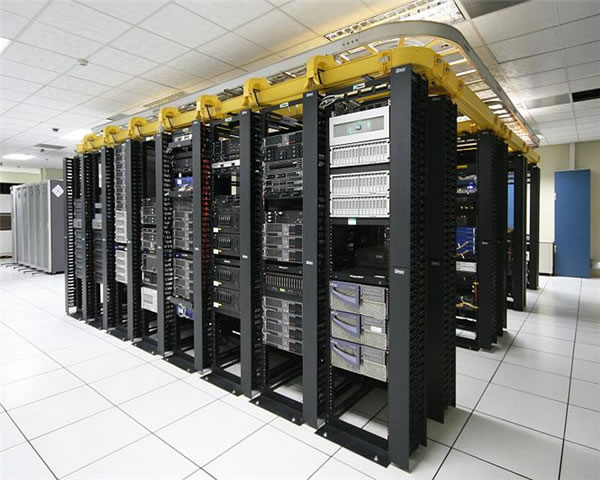
For lightweight experiments, learning, or temporary projects, free VPSs still offer excellent value for money. But when the business moves into production, with an increase in the number of users or the importance of the data, paying can reduce risks and improve maintainability. Creating an evaluation checklist focused on performance, stability, and operational costs helps make a rational decision about when to upgrade.
It is recommended that free Thai VPS users establish upgrade thresholds based on specific factors such as response fluctuations, concurrency limitations, unstable network connections, and backup and support needs. First, evaluate the core business metrics and test the key functions of the payment solution. Then, migrate or scale up gradually to ensure the desired stability and security while keeping costs under control.
- Latest articles
- How To Optimize Cross-border E-commerce Access Speed And Stability Through Cambodia Cn2 Return Server
- Cambodian Server Alibaba Cloud’s Practical Experience In Network Acceleration And CDN Integration
- How To Set Up A Korean Purchasing Agent Group? Precautions And Risk Control Strategies For Compliance Operations
- Practical Experience Sharing On Vps Cambodia Node Selection And Global Deployment Strategy
- Operation And Maintenance Exchange American Cloud Server Bar Common Troubleshooting And Response Experience
- Migration Case Analysis: How To Smoothly Switch To Singapore Cn2 Cloud Server And Ensure That Business Is Not Dropped
- A Beginner's Guide Teaches You How To Identify The Service Quality And Potential Risks Of Cheap Hong Kong Site Groups
- How SEO Webmasters Use Vietnam Cn2 To Improve Search Rankings In The Vietnamese Market
- Comparing The Cost-effectiveness And User Experience Of Triple-network Cn2 Malaysia With Single-network Access
- How Can Enterprises Incorporate Free Unlimited Traffic Hong Kong Cn2 Into Disaster Recovery And Capacity Expansion Plans?
- Popular tags
-
Advantages And Usage Experience Of Direct Connection Between VPS In Thailand
This article discusses the advantages and usage experience of direct connection between VPS in Thailand, including analysis of network stability, access speed, security, etc. -

Reasons Why Cloud Servers In Thailand Are Expensive And User Feedback
this article explores the price reasons and user feedback of cloud servers in thailand to help you understand the factors you should consider when choosing a cloud server. -

Collection Of Operation And Maintenance Skills To Improve The Availability And Fault Recovery Capabilities Of Thailand's Native Vps
this article provides a set of practical operation and maintenance skills for operation and maintenance engineers, focusing on improving the availability and fault recovery capabilities of thailand's native vps, covering practical suggestions on monitoring alarms, automated deployment, backup and recovery, network optimization and security, etc.